Last updated
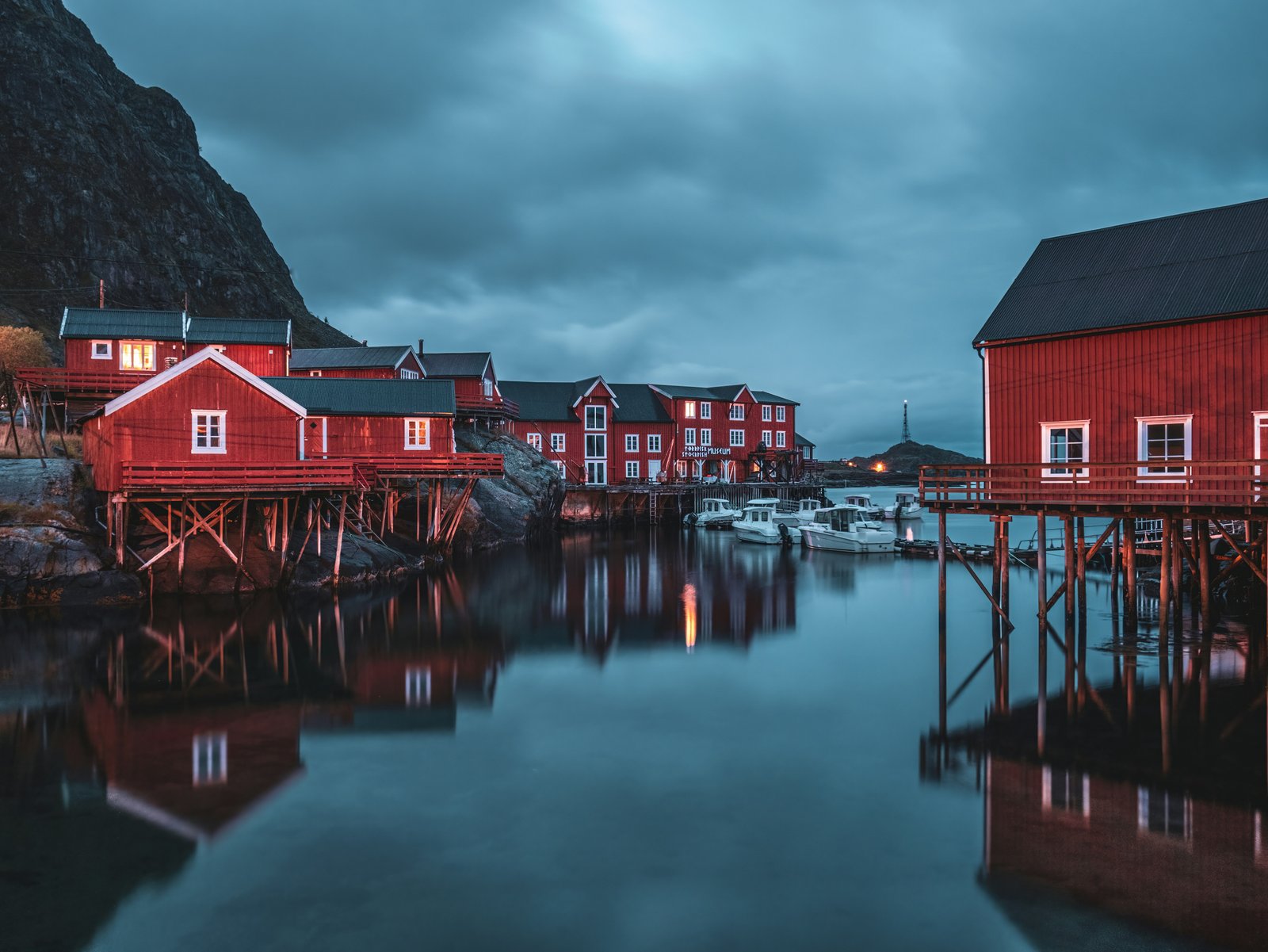
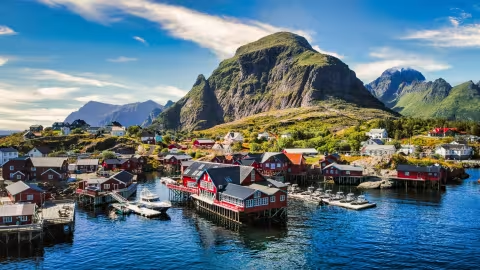
The village of Å sits at the very end of the E10. You'll know you've arrived because the road stops here, ending in a large parking lot. The Norwegian Fishing Village Museum is the village itself: original red and yellow wooden buildings on stilts over the water, there's no entrance gate or separate compound. You buy a ticket at the service house by the car park and walk in along the docks.
The museum takes in a cod liver oil factory, a bakery built in 1844, fishermen's cabins (rorbuer), a boathouse with traditional Nordland boats, a smithy, and an old post office. English signage covers the key exhibits, though some of the smaller displays are Norwegian-only.
The bakery
Go here first. The stone oven dates from the 1800s and still produces cinnamon buns that sell out most days. The bakery closes at 15:00, and on busy summer days the trays are empty well before that. You'll smell it before you see it. The bakery operates roughly late May through October, not year-round.
What else to see
The cod liver oil factory is the surprise here, and worth your time. The equipment used to extract and grade the oil is all still there, and the exhibits explain a trade that bankrolled Lofoten for centuries.
The rorbuer are cramped, cold, but functional. Bunk rooms for men who spent winters hauling cod from open boats in the Norwegian Sea. The boathouse next door holds the Nordland boats they used, from small four-oared vessels rowed by two people up to larger eight-oared boats. A converted motorboat from around 1915 sits alongside them, marking the point where everything changed.
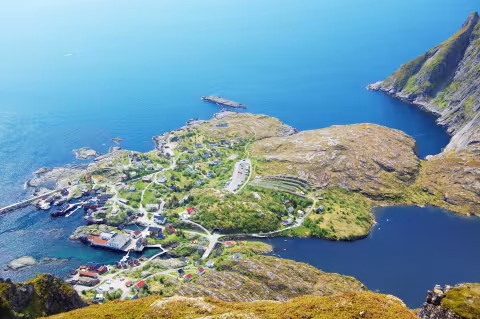
After the buildings, keep walking past the museum structures to the very end of the trail. Most visitors turn around too soon. The path continues to a point with open ocean views, Værøy visible across the water on a clear day, and almost nobody else around.
Timing and crowds
Å is a natural turnaround point for Lofoten day trip. Parking is limited and poorly organised, so the car park gets chaotic between roughly 10:00 and 16:00 in summer. Early morning, you might have the docks to yourself, and get some photos without dozens of other tourists in them.
Full museum hours (10:00 to 18:00, all buildings open and staffed) run June through September. October through early December the museum opens with reduced hours, and some buildings may be locked. From early December through the end of May, the museum is closed entirely. You can still walk the village exterior in winter, but the bakery and most interiors are shut. Check the Museum Nord website for exact dates before you go.
Rain and wind at any time of year. Bring a waterproof layer even if the morning looks clear.
Is the ticket worth it?
You can walk around parts of the village without paying. The exteriors, the docks, the harbour views are all open. The interiors are where the detail is, though, and the ticket price is modest by Norwegian museum standards. If you've driven the full length of the E10 to get here, it would be odd to skip them.
Budget one to two hours. The terrain is uneven throughout: wooden docks, gravel, steps into old buildings. Not wheelchair accessible.
Highlights
Best time to go
Time needed
Getting there
What to do nearby
Hotels nearby